
Pod Salt Pearl Bar 6000 Puffs Reviews

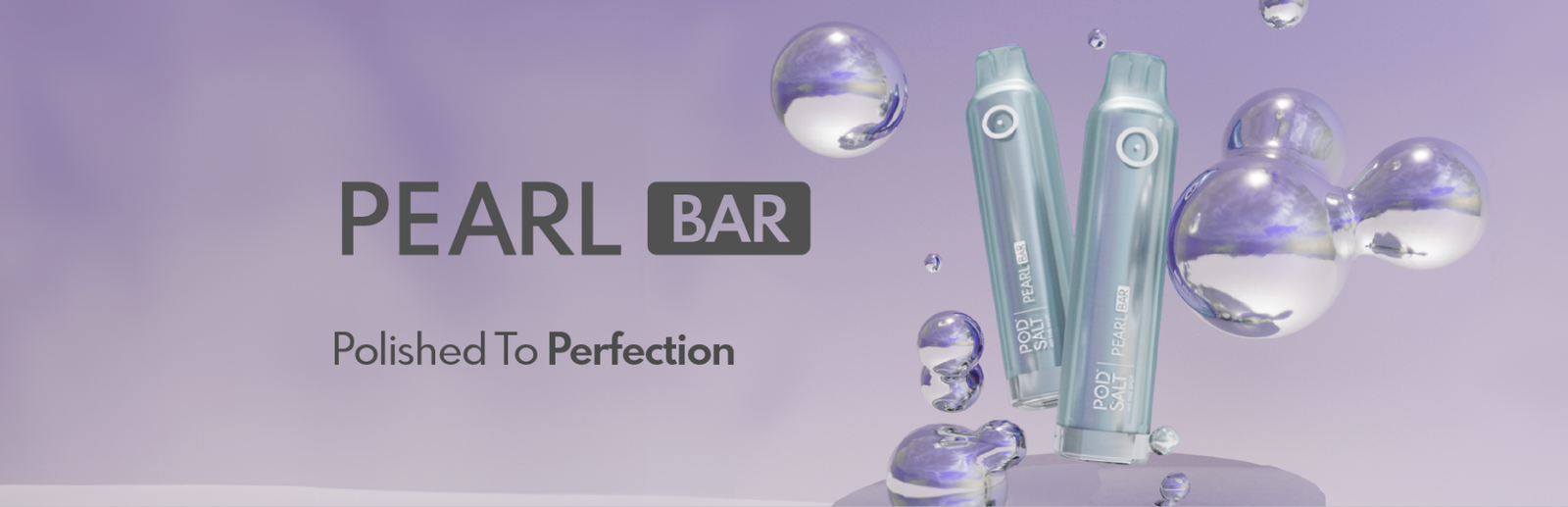
Pod Salt’s Pearl Bar 6000 puffs is one of many disposable “pod” style vaping devices that have become visible in recent years. Rather than being a review that praises or encourages use, this overview explains what these devices are, the typical components and claims, the known and potential health risks — especially for young people — and practical ways to stay informed and safe. The goal is to provide balanced information so readers can make wise, healthy choices.
What these devices are
Disposable pod devices like the Pearl Bar 6000 are compact, single-use electronic nicotine delivery systems. Manufacturers often advertise large “puff counts” (here, 6000 puffs) and a variety of flavors. Internally, they usually contain a battery, a heating element (coil), a reservoir with e-liquid (a mixture of propylene glycol, vegetable glycerin, flavorings, and often nicotine), and electronics that activate heating when a user inhales. The product’s marketing focuses on convenience and flavor variety, not on the health effects.
Common marketing messages — what to watch for
Companies market high puff counts, eye-catching flavors, and sleek designs to stand out. Packaging can emphasize modernity and fun, using bright colors or trendy names. It’s important to understand that marketing goals are to sell a product — not to explain the risks. Claims like “long-lasting,” “smooth hit,” or “great flavor” are subjective and do not speak to safety. Young people are especially targeted by flashy design and flavors; that’s why several public health bodies have raised concerns.
Ingredients and what they mean
E-liquid typically contains:
- Nicotine: a highly addictive stimulant. Concentration varies by product. Nicotine exposure during adolescence can impair brain development and increase the risk of lifelong addiction.
- Propylene glycol (PG) and vegetable glycerin (VG): carriers that create visible vapor. These substances are generally recognized as safe for ingestion but the long-term effects of inhaling them as aerosols are not fully understood.
- Flavoring chemicals: Many flavoring compounds are approved for food use, but inhaling them may carry different risks. Some flavoring agents have been linked to respiratory irritation and inflammatory responses in laboratory studies.
- Trace contaminants: Depending on manufacturing and storage, e-liquids can contain impurities or metals from coils.
Because manufacturing standards vary, the exact ingredients and their concentrations can differ between batches and brands. Unregulated or counterfeit products may carry additional risks.
Health concerns — short and longer term
The science on the long-term effects of vaping is still developing, but several evidence-based concerns are clear, especially for adolescents:
- Addiction: Nicotine is highly addictive. Teen brains are still developing, making young people more susceptible to dependence. Early nicotine exposure increases the likelihood of continued use and transition to other nicotine products.
- Brain development: Nicotine can affect attention, learning, mood, and impulse control when exposure occurs during adolescence.
- Respiratory effects: Inhaled aerosols can irritate the airways; some users report coughing, wheeze, or shortness of breath. There have also been instances of acute lung injury linked to vaping, though those were often associated with adulterated or illicit products.
- Unknown long-term risks: Inhalation of some flavoring chemicals and long-term exposure to heated PG/VG aerosols have uncertain outcomes; research is ongoing, and science so far urges caution.
- Battery and device hazards: Disposable devices still contain batteries that can fail or overheat if damaged, presenting a rare but real risk of burns or fires if misused or defective.
It’s important to avoid sensationalizing these risks, but also to recognize that “safer than” claims (e.g., safer than smoking) do not equal “safe,” and the safest option—especially for young people—is to avoid nicotine products entirely.
Social and legal context
Many countries and regions have tightened rules around flavored e-liquid, advertising, and sales to minors because of rising youth use. Retailers are legally required in many places to check age before selling nicotine products. Schools and youth organizations commonly ban vaping on campuses. Beyond legalities, peers, family members, and public health campaigns play a large role in shaping attitudes about vaping.
How to read product claims critically
When you see an advertisement or a social post promoting a vaping device, ask:
- Who is the message for? (If it looks targeted at young people, that’s a red flag.)
- Does it mention risks, nicotine content, or regulatory warnings?
- Are claims about “puffs” or “long life” backed by independent testing? (Often not — these are marketing metrics.)
- Who benefits from the claim? (Usually the manufacturer.)
Learning to spot marketing techniques is a useful life skill that helps you make better choices about many products, not just vaping.
If you’re being pressured or curious
Curiosity and peer pressure are normal. If a friend asks you to try vaping or offers you a device, it’s okay to say no. If you’re curious because you’ve seen ads or posts, consider talking with a trusted adult (parent, teacher, school nurse) or a health professional. If you’re worried about a friend who vapes, encourage them to talk with a supportive adult rather than trying to handle it alone.
Safer alternatives and resources
For teens, the safest choice is to avoid nicotine products. If you or someone you know is already using nicotine and wants to stop, a parent, doctor, or school counselor can help find age-appropriate support. Many health organizations offer confidential help lines and resources tailored for young people trying to quit nicotine.
Conclusion — an informed stance
Devices like the Pod Salt Pearl Bar 6000 are engineered to be convenient and appealing — Pod Salt Pearl Bar 6000 are engineered to be convenient and appealing — but appeal does not equal safety. For adolescents, any product containing nicotine carries particular risks to brain development and a higher likelihood of addiction. Being informed about ingredients, marketing tactics, and health effects helps you make stronger decisions and look out for friends. If you want a different kind of article (for example, a neutral review written for adults, or a 1,000-word piece focused on harm-reduction and quitting strategies), I can provide that instead — just say which angle you want and I’ll write it without promotional language.