
MYLE Turbo 20000 Puffs Reviews

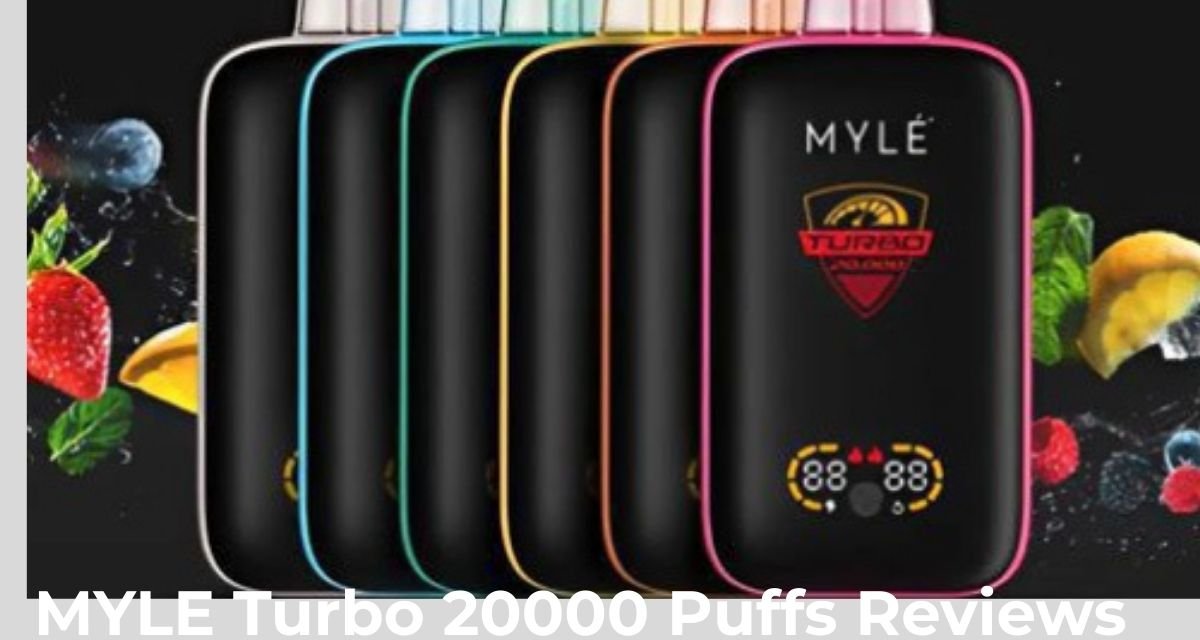
Disposable vaping devices with advertised “high puff counts” have grown in popularity in many regions. These products typically come pre-filled with an e-liquid and a charged battery and are designed to be thrown away once the liquid or battery is exhausted. Terms like “20 000 puffs” are marketing claims meant to signal a long-lasting device, usually far more than earlier disposables.
These devices operate on a simple principle: a battery heats a coil that vaporizes a nicotine-containing solution (e-liquid). The user draws on a mouthpiece, activating the battery and producing an aerosol commonly referred to as “vapor.”
Common Features of High-Puff-Count Disposable Vapes
While individual products vary, the following components are typical:
1. Battery
A built-in rechargeable or non-rechargeable battery powers the heating element. Higher puff claims often imply a larger battery capacity.
2. E-Liquid Reservoir
Pre-filled with flavored liquid that usually contains nicotine, propylene glycol (PG), vegetable glycerin (VG), and flavorings. The volume of liquid directly affects how long the device lasts.
3. Coil and Wick
The heating element and medium that delivers e-liquid to it. Coil design influences the flavor and amount of vapor produced.
4. Mouthpiece
Ergonomically shaped for draw-activated use without buttons.
5. Puff Counter Claims
Manufacturers sometimes state puff counts like “20 000 puffs.” These figures are theoretical and depend on users’ draw style and frequency.
Themes You’ll See in Consumer Feedback
When users talk about high-capacity disposable devices online or in forums, a few recurring themes come up:
1. Battery Life and Real-World Puff Count
Many users note that real puff counts rarely match advertised numbers. Factors like draw strength, frequency, and temperature affect how long a device lasts. For example, frequent, long draws will deplete both liquid and battery faster.
2. Flavor Consistency
People often discuss how consistent the flavor remains from first puff to last. Some report strong flavor early on that diminishes over time, while others mention a relatively steady experience.
3. Vapor Production
Large devices are expected to produce more visible vapor clouds. Consumers sometimes compare the “throat hit” and density of vapor against other products.
4. Ease of Use
Disposables are generally appreciated for convenience: they require no charging or refilling (in theory). Many remarks focus on how simple they are to operate, especially compared to refillable systems.
5. Leakage and Build Quality
Feedback can include comments about leakage, mouthpiece comfort, or durability if the device is dropped. Build quality often appears in user conversations.
6. Cost and Value
Since high-puff-count devices are often priced higher than smaller disposables, users weigh whether the price per puff feels reasonable.
How to Read and Interpret Vaporizer “Reviews”
When you encounter reviews—whether textual impressions from users, videos, or social media posts—here are some tips to interpret them critically:
1. Check for Bias
Paid endorsements or sponsored content may not reflect independent experience. Look for multiple voices rather than a single influencer claim.
2. Distinguish Between Subjective and Objective
Comments like “I like the flavor” are subjective, whereas “lasted 3 days with daily use” gives a clearer picture of performance.
3. Understand Use Patterns
One person’s experience may not translate to another’s. Someone who vapes occasionally will get more life out of a device than someone who vapes constantly.
4. Look for Comparisons
Reviews that compare a device to others in the same class can help you understand relative performance.
Health and Safety Considerations
Independent of specific product names, it’s important to understand broader health information associated with vaping devices:
1. Nicotine Addiction
Most high-puff-count disposables contain nicotine, a substance that can lead to dependence. Nicotine can have cardiovascular effects and, when used by adolescents, impact brain development.
2. Respiratory Effects
While some individuals use vaping as an alternative to combustible tobacco, inhaling heated aerosols can still affect lung function. Research is ongoing, and long-term impacts remain under investigation.
3. Chemicals in Vapor
E-liquid typically contains PG, VG, and flavorings. Some flavoring chemicals can degrade into substances with potential toxicity when heated.
4. Misleading Labels
Advertising high puff counts can be confusing. Puff counts are estimates, not guarantees, and may not reflect real-world use.
5. Not a Safe Product
Public health authorities generally characterize vaping products as less harmful than smoking combustible cigarettes for current adult smokers only, but not harmless and not recommended for non-smokers, young people, pregnant individuals, or people with heart or lung disease.
Environmental and Social Factors
1. Waste
Disposable devices generate plastic and electronic waste. Many consumers express concern over environmental impacts since these products are not designed for recycling.
2. Regulation and Standards
Product standards vary widely by region. Some areas regulate nicotine strength and labeling, while others have minimal controls. This variability affects product quality and safety.
3. Youth Usage
There is public health concern about uptake among youth, partly driven by appealing flavors and easy availability. Discussions in user communities often reflect conflicting views on prevalence and prevention.
Questions People Often Ask Before Using a High-Puff-Count Device
Here are examples of questions users commonly consider:
- How long will the battery actually last with my usage pattern?
- Does the flavor stay consistent until the device is depleted?
- Is the throat sensation strong or mild compared to other devices I’ve used?
- Are there any quality issues like leakage, overheating, or clogging?
- How does the cost compare to refillable systems over time?
- Is this device appropriate for my experience level?
Conclusion: Putting Reviews in Context
When you read or write about high-capacity disposable vaping devices, it helps to:
- Separate individual impressions from general trends.
- Look for consistent patterns across multiple independent reviews.
- Factor in personal usage habits.
- Keep in mind broader health and regulatory contexts.
- Frame any evaluation within educational and safety awareness rather than endorsement.