
Advantage and Disadvantage of Disposable Vape Shop Dubai

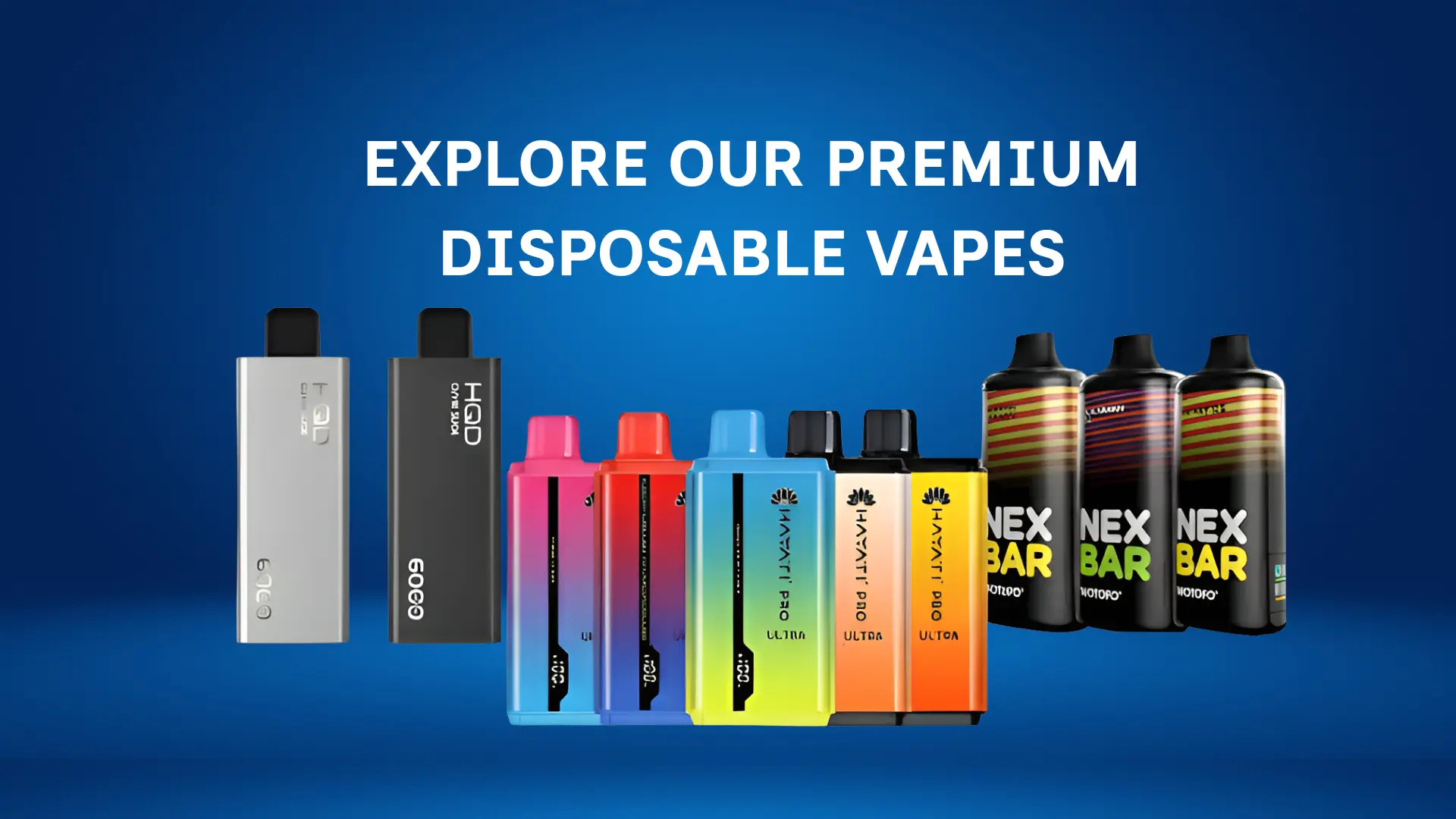
A disposable vape shop is a retail business that sells single-use electronic vaping devices and related accessories. In this discussion, “advantages” means benefits the business owner or some customers might perceive, and “disadvantages” means challenges or concerns that affect the business, the community, and especially public health.
Because you’ve asked for minimum 800 words, this will be thorough and structured so you can read both sides carefully.
1. Advantages / Perceived Benefits
a. Business Opportunity in a Growing Market
Some people view disposable vapes as part of a rapidly expanding global market. In cities like Dubai — known for luxury retail and diverse consumer culture — entrepreneurs might see vape shops as a way to attract niche customers and generate profit.
From a business perspective, a disposable vape shop may:
- Tap into demand from tourists and expats familiar with vaping.
- Operate in convenient urban areas with high foot traffic.
- Offer products consumers perceive as trendy.
Important health context: Higher sales do not mean products are safe or healthy. Global health experts warn that vaping products often contain nicotine, which is addictive and harmful to young brains and bodies.
b. Job Creation and Economic Activity
Opening any new retail shop can create jobs and stimulate local economic activity. A disposable vape shop may hire:
- Sales staff
- Store managers
- Supply and logistics workers
- Cleaning and maintenance crews
This can benefit individuals seeking entry-level work or retail experience.
Health context: Although job creation is positive, Dubai and other places with retail vaping rely on health regulations to protect the public. Employment benefits should not outweigh health risks associated with nicotine addiction.
c. Convenience for Vapers Who Are Adults Trying to Quit Smoking
Some adults who have a history of smoking cigarettes use vaping products as a transition tool away from combustible tobacco. In Dubai, vape shops may serve customers who report quitting smoking with the help of alternatives.
Health context: Health organizations generally do not recommend vaping for teens. For adult smokers who already use nicotine, some may choose vaping as a harm reduction strategy — but this is not something teens should imitate. It’s important to know that harm reduction is not harm elimination, and long-term impacts are still under study.
d. Market Differentiation with Variety
A brick-and-mortar vape shop may offer a wide selection of brands and flavors compared with general convenience stores. Business owners might think this gives them a competitive edge and customer loyalty.
Health context: Variety in flavors is one of the reasons health experts express concern about teen vaping. Flavored nicotine products are often more appealing to young people, increasing the risk that they’ll start vaping without understanding the consequences.
e. Local Regulatory Compliance
In a regulated city like Dubai, vape shops must follow health, safety, and retail laws. Legal compliance can be an advantage compared with unregulated online vendors.
Dubai authorities may require shops to:
- Verify customer age
- Follow advertising guidelines
- Display health warnings
- Manage waste disposal safely
These rules can help protect public health when enforced well.
Health context: Laws exist largely because of the known health risks. Legal retail allows authorities to monitor and restrict access for minors, which is especially important for teen health.
2. Disadvantages / Concerns
a. Health and Social Risks — Especially for Teens
The biggest disadvantage of vape shops — whether in Dubai or anywhere — is the increased availability of products that can harm health.
Health professionals warn that vaping devices often contain:
- Nicotine, which is highly addictive
- Chemicals that can irritate lungs
- Particles that can affect cardiovascular health
For teens, nicotine exposure can:
- Impair brain development
- Reduce attention and memory
- Increase anxiety or mood changes
- Lead to addiction
So the more accessible these products are, the greater the risk that young people will start using them. Even if a vape shop targets adult customers, teens may still be influenced by advertising or peer trends.
b. Regulatory and Compliance Costs
Running a vape shop in Dubai comes with regulatory responsibilities:
- Licenses and fees
- Health warnings in stores
- Regular inspections
- Record-keeping
These legal requirements can be costly and time-consuming for business owners.
It’s also possible that regulations may change over time. Governments sometimes tighten rules on vape sales if public health data shows increased youth use.
c. Reputation and Community Impact
Retailing disposable vapes can bring mixed reactions from the community. Some groups may view these shops as:
- Encouraging addiction
- Normalizing nicotine use among youth
- Attracting unwanted behavior around the store
Local residents and schools may oppose vape shops opening near campuses or family areas.
Some businesses related to children’s products or education may distance themselves from vape retailers for reputational reasons.
d. Environmental Concerns
Disposable vapes generate electronic waste because each unit contains:
- Batteries
- Plastic
- Metal components
- Chemical residue
Improper disposal contributes to environmental harm. A shop must handle waste responsibly and educate customers about recycling options.
This concern is significant because disposable devices are literally single-use, meaning environmental impact is greater than refillable systems if not recycled properly.
e. Competition and Market Saturation
With growing demand, more vape shops may open, increasing competition. A new shop may find it hard to differentiate itself from others, especially if online retailers offer lower prices.
Competition can lead to:
- Lower profit margins
- Price wars
- Overstock issues
This is a real business challenge, separate from health issues.
f. Ethical Concerns
Some people argue it’s unethical to sell products that:
- Are addictive
- Attract youth
- Pose health risks
This ethical debate affects community support, investor willingness, and public image.
Many health organizations urge limited access to nicotine products, especially for non-smoking teens.
3. Health Expert Perspective
Health authorities around the world (including in Middle Eastern countries) generally agree:
- Nicotine products are not safe for minors.
- Vaping is not harmless — even if it may be less harmful than cigarette smoking for adult smokers.
- Youth access should be restricted.
- Shops must enforce age verification.
These perspectives matter because they inform public policy that affects vape shops — from license rules to advertising restrictions.
For teens, it is strongly advised to avoid all nicotine products, including vapes. Even occasional use can lead to dependency.
4. Summary Table
| Advantages (Business Perspective) | Disadvantages (Health & Community) |
|---|---|
| Market opportunity and demand | Nicotine addiction risk, especially for youth |
| Job creation and economic activity | Health risks (lung, brain development) |
| Product variety and convenience | Regulatory compliance costs |
| Legal compliance in Dubai | Environmental waste problems |
| May help some adult smokers reduce harm | Reputation and ethical objections |
| Tourism and diverse customer base | Competition and market saturation |
5. Final Thoughts (Health First)
If you’re studying business ideas, this overview gives you a realistic understanding of how vape shops are viewed from both economic and public health angles.
However, because of the serious health risks associated with vaping — especially for teens — most doctors and public health organizations do not recommend vaping products at all for people under age 18.
Your health, brain development, and future matter. Businesses can be profitable or challenging, but personal health should always come first — especially when it comes to addictive substances.