
Advantages and Disadvantages of Disposable Vapes

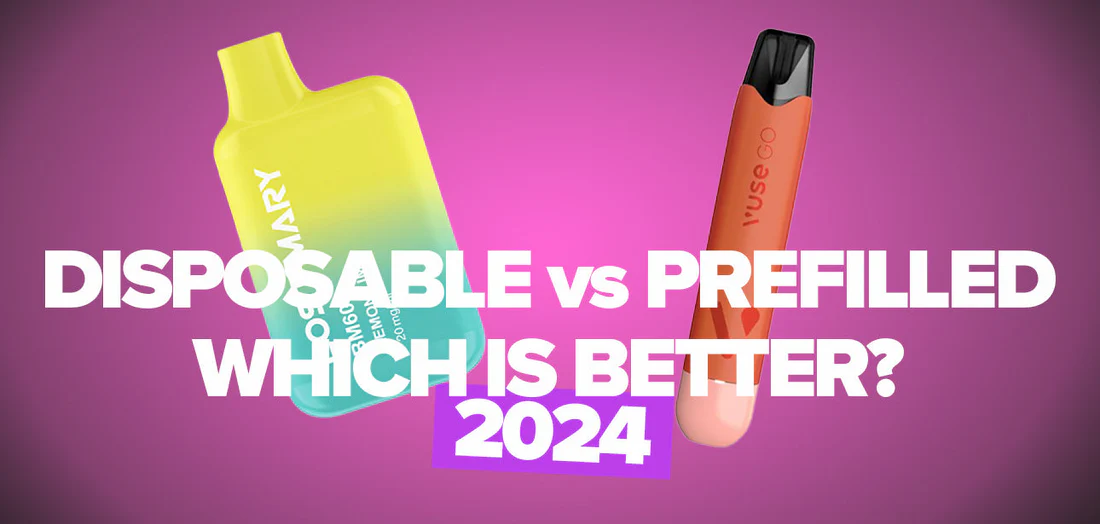
Disposable vapes have become extremely popular in recent years, especially among new users and those looking for a convenient alternative to traditional smoking or more complex vaping devices. These compact, pre-filled devices are designed for single use and require no maintenance, making them easy to pick up and use right away.
However, like any product, disposable vapes come with both benefits and drawbacks. Understanding these can help you make more informed decisions and better understand their impact on your health, finances, and the environment.
Advantages of Disposable Vapes
1. Ease of Use
One of the biggest advantages of disposable vapes is how simple they are to use. Unlike traditional vape kits that require assembly, coil changes, and e-liquid refilling, disposables come ready to go straight out of the box.
Most disposable vapes are:
- Draw-activated (no buttons)
- Pre-filled with e-liquid
- Pre-charged or ready to use
This simplicity makes them ideal for beginners who may find other devices confusing.
2. No Maintenance Required
Disposable vapes eliminate the need for maintenance. There’s:
- No coil replacement
- No cleaning
- No refilling
Once the device runs out of battery or e-liquid, you simply dispose of it. This makes them especially convenient for people who don’t want to deal with the technical aspects of vaping.
3. Portability and Convenience
Disposable vapes are typically small and lightweight, making them easy to carry in your pocket or bag. Their compact design makes them perfect for:
- Traveling
- Social outings
- Occasional use
Since they don’t require extra bottles of e-liquid or spare parts, they offer a hassle-free experience.
4. Wide Variety of Flavors
Another major advantage is the wide range of available flavors. Disposable vapes often come in:
- Fruity options (mango, watermelon, berry)
- Minty or menthol blends
- Dessert-inspired flavors
This variety can make the experience more enjoyable compared to traditional smoking, which has limited flavor options.
5. No Upfront Investment in Equipment
Unlike reusable vape kits, disposable vapes don’t require a significant initial investment. You don’t need to buy:
- A separate device
- Chargers (in many cases)
- Coils or accessories
This makes them accessible for people who want to try vaping without committing to a more expensive setup.
6. Consistent Performance
Disposable vapes are designed to deliver consistent performance throughout their lifespan. Since the device is pre-configured:
- The coil and battery are optimized
- Flavor delivery is stable
- Vapor production remains steady
This can provide a more predictable experience compared to refillable devices, which may vary depending on setup.
7. Discreet Usage
Many disposable vapes produce less vapor than larger devices, making them more discreet. Their sleek design also allows for more subtle use in appropriate settings.
Disadvantages of Disposable Vapes
1. Environmental Impact
One of the biggest concerns with disposable vapes is their environmental impact. Each device contains:
- A battery
- Plastic components
- Electronic circuitry
Since they are thrown away after use, they contribute significantly to electronic waste. Improper disposal can harm the environment and wildlife.
2. Higher Long-Term Cost
While disposable vapes are cheaper upfront, they can become more expensive over time compared to reusable devices.
For example:
- Frequent users may go through multiple disposables per week
- The cumulative cost can exceed that of a refillable vape kit
In the long run, reusable devices are generally more cost-effective.
3. Limited Customization
Disposable vapes offer very little customization. You cannot:
- Adjust power settings
- Change coils
- Refill with different e-liquids
For users who prefer control over their vaping experience, this can be a major limitation.
4. Battery Limitations
Although some modern disposables are rechargeable, many still come with limited battery life. In some cases:
- The battery may die before the e-liquid is fully used
- Performance may drop as the battery weakens
This can lead to wasted product and a less satisfying experience.
5. Not Ideal for Heavy Users
Heavy users may find disposable vapes inconvenient because:
- They run out quickly
- Frequent replacements are needed
This not only increases cost but also adds to waste.
6. Quality Variations
Not all disposable vapes are created equal. Some lower-quality products may have:
- Inconsistent flavor
- Poor battery performance
- Leakage issues
Since they are not refillable or repairable, a defective device cannot be fixed.
7. Health Considerations
While often marketed as an alternative to smoking, disposable vapes still carry health risks. They typically contain nicotine, which is:
- Addictive
- Potentially harmful, especially for young users
In addition, inhaling vaporized substances may have long-term health effects that are still being studied.
8. Lack of Sustainability
Disposable vapes are inherently single-use products, which goes against the growing trend toward sustainability. Compared to reusable devices:
- They generate more waste
- They require more resources to produce
This makes them less environmentally friendly.
Balanced Perspective
Disposable vapes are designed with convenience in mind, and they excel in that area. For someone who values simplicity and portability, they can be a practical choice.
However, the trade-offs include higher long-term costs, environmental concerns, and limited flexibility. These factors make them less suitable for regular or long-term use compared to refillable systems.
Conclusion
Disposable vapes offer a straightforward and accessible way to vape, especially for beginners or occasional users. Their ease of use, portability, and variety of flavors make them appealing in many situations.
At the same time, they come with notable disadvantages, including environmental impact, ongoing costs, and limited customization. Understanding both sides helps you make a more informed decision based on your needs and priorities.