
Disposable vs Pod vs Refillable : The Ultimate Guide

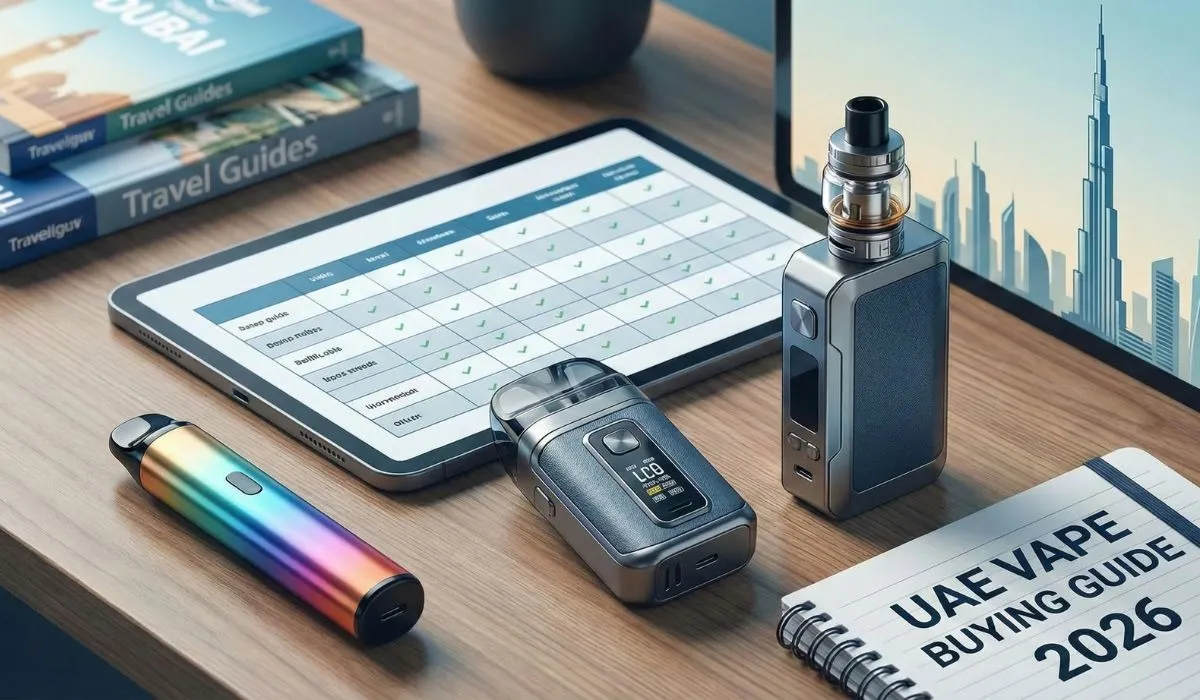
Electronic vaping devices are often grouped together as if they are all the same, but in reality they differ widely in design, lifespan, environmental impact, cost structure, and potential risks. The three most common categories are disposable vapes, pod-based systems, and refillable (open-system) devices. Each type reflects a different approach to convenience, customization, and longevity.
Understanding how these systems differ is important because design choices affect waste generation, nicotine exposure patterns, user behavior, and long-term public health outcomes. This comparison focuses on structure, function, advantages, drawbacks, and broader impacts rather than usage instructions.
1. Disposable Vapes
What They Are
Disposable vapes are single-use electronic devices designed to be discarded once the battery runs out or the e-liquid is depleted. They come pre-assembled, pre-filled, and pre-charged, with no option for refilling or replacing parts.
Design and Convenience
The defining feature of disposable vapes is simplicity. There are no buttons, settings, or maintenance steps. Because of this, they are often marketed as “plug-and-play” products. Their compact size and lightweight design make them easy to carry and conceal.
However, this simplicity comes at the cost of durability and sustainability. Once depleted, the entire unit—including battery, plastic casing, and electronics—is thrown away.
Environmental Impact
Disposable vapes generate a significant amount of electronic waste. Each discarded device contains lithium batteries and electronic components that are difficult to recycle properly. When disposed of incorrectly, they contribute to pollution and resource loss.
Compared to reusable systems, disposables have the highest waste-to-use ratio, meaning the amount of trash produced per unit of use is very high.
Cost Structure
While the upfront cost of a disposable vape may appear low, repeated purchases can add up quickly. Because the device cannot be reused, users pay again for every new unit. Over time, this can make disposables more expensive than reusable alternatives.
Health Considerations
Disposable vapes often contain high concentrations of nicotine, which can increase the risk of dependence. Because there are no adjustable settings, users have limited control over vapor output or intake levels. This lack of control can make it easier to consume more nicotine than intended.
2. Pod-Based Systems
What They Are
Pod systems are compact vaping devices that use pods—small cartridges that either come pre-filled or can be replaced. The main device (battery unit) is reused, while the pod is swapped out when empty.
Design and Modularity
Pod systems sit between disposables and refillable devices in terms of complexity. The battery section is rechargeable, and the pod acts as a consumable component. This modular design reduces waste compared to disposables while still prioritizing convenience.
Many pod systems are draw-activated, meaning they activate automatically when inhaled, though some include buttons.
Environmental Impact
Because only the pod is discarded rather than the entire device, pod systems create less waste than disposables. However, the pods still contain plastic and sometimes metal components, so waste remains a concern—just to a lesser degree.
Cost Structure
The initial cost of a pod system is usually higher than a disposable, but replacement pods tend to be cheaper than buying new disposables repeatedly. Over time, pod systems can be more cost-efficient, though this depends on frequency of replacement.
Customization and Control
Pod systems generally offer limited customization. Some allow users to choose between different pod strengths or formulations, but most do not allow adjustments to power or airflow. This design reduces complexity but also limits control over vapor production and nicotine intake.
Health Considerations
Pod systems are often associated with consistent nicotine delivery. While consistency can reduce unpredictable exposure, it can also reinforce habitual use. As with disposables, some pod products contain high nicotine levels, which is especially concerning for adolescents due to ongoing brain development.
3. Refillable (Open-System) Devices
What They Are
Refillable devices, sometimes called open systems, are reusable vaping devices designed to be filled multiple times with e-liquid. They typically consist of a battery unit and a refillable tank or cartridge.
Design and Longevity
These devices are built for long-term use. Components such as coils or tanks may need periodic replacement, but the core device is intended to last months or even years. This makes refillable systems the most durable of the three categories.
Environmental Impact
Among vaping device types, refillable systems generally produce the least waste per use. Because the device is reused many times, fewer batteries and electronics are discarded. However, waste is not eliminated entirely, as bottles, coils, and worn parts still require disposal.
Cost Structure
Refillable devices usually have the highest upfront cost. However, ongoing expenses are often lower because users are not replacing entire devices or pods frequently. Over time, this can make refillable systems the most economical option.
Customization and Complexity
Refillable devices often offer the greatest level of customization, including adjustable power settings and airflow. While this can appeal to experienced users, it also increases complexity. Improper handling or misuse can increase risks, especially for inexperienced or younger users.
Health Considerations
Because refillable systems allow more control over vapor production, they can result in variable exposure levels. This variability makes it harder to predict intake. The increased vapor volume associated with some refillable devices may expose users to higher levels of aerosolized substances.
Comparative Overview
| Aspect | Disposable | Pod System | Refillable |
|---|---|---|---|
| Reusability | None | Partial | High |
| Waste Generated | High | Medium | Low |
| Upfront Cost | Low | Medium | High |
| Long-Term Cost | High | Medium | Low |
| Customization | None | Limited | High |
| Complexity | Very low | Low | High |
Broader Health and Social Context
It is important to emphasize that no vaping system is risk-free. While differences exist in design and waste, all vaping devices involve inhaling substances into the lungs that were not meant to be there. For teenagers in particular, nicotine exposure can affect attention, memory, and impulse control.
From a public health perspective, the increasing variety of device types can normalize vaping behavior, making it appear harmless or purely recreational. Understanding the differences between these systems helps clarify that design choices often prioritize convenience or profit, not safety.
Conclusion
Disposable, pod-based, and refillable vaping devices represent three distinct approaches to electronic nicotine delivery. Disposables focus on maximum convenience at the cost of waste and long-term expense. Pod systems balance reuse with simplicity, reducing but not eliminating environmental impact. Refillable devices emphasize durability and customization but introduce greater complexity and variability.
Comparing these systems highlights a broader issue: while technology and design may differ, the underlying health concerns remain. Understanding these differences is valuable for education and critical thinking, especially when evaluating claims about safety, sustainability, or cost.