
How to use RELX Optimus 60000 Puffs

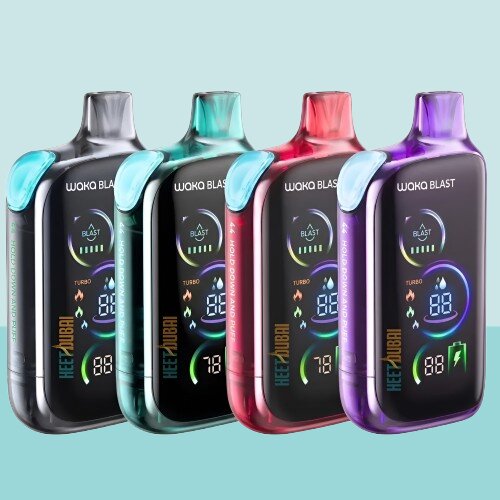
Large-capacity disposable or semi-disposable vape devices have become increasingly common in the electronic vaping market. Devices marketed with very high puff counts are generally designed for extended use and convenience for adult users. These products typically combine rechargeable batteries, pre-filled liquid reservoirs, airflow systems, and integrated heating technology into a compact portable format.
Although designs vary between manufacturers, many high-capacity vaping devices share similar operating principles and components.
Main Components of High-Capacity Vape Devices
Battery System
Most large-capacity vape devices contain rechargeable lithium-ion batteries. The battery powers the internal heating element that vaporizes the liquid.
Common battery-related features include:
- USB-C charging
- LED battery indicators
- Rechargeable internal cells
- Automatic power regulation
Battery size often affects:
- Device lifespan
- Charging frequency
- Consistency of vapor production
E-Liquid Reservoir
High-capacity devices usually contain larger internal liquid storage systems compared to smaller disposable products.
The reservoir may contain:
- Flavoring compounds
- Nicotine or nicotine-free liquid
- Propylene glycol
- Vegetable glycerin
The liquid is absorbed by internal wick material connected to the heating coil.
Heating Coil
The coil is one of the most important parts of a vape device.
When activated:
- The battery supplies power
- The coil heats up
- Liquid turns into aerosol
- Aerosol travels through the airflow channel
Some devices use mesh-style coils designed to distribute heat more evenly.
Airflow System
Airflow controls influence how tightly or loosely air moves through the device.
Different airflow designs may affect:
- Aerosol density
- Draw resistance
- Device temperature
- Overall user experience
Some devices include adjustable airflow systems while others use fixed airflow channels.
Draw-Activated Technology
Many pod systems and disposable-style vape devices are draw activated.
This means:
- The device detects airflow automatically
- No large button is needed
- Sensors activate the heating system during inhalation
Automatic activation became popular because it simplifies operation.
Rechargeable Features
Large-capacity devices often require recharging multiple times during their lifespan.
Rechargeable systems commonly include:
- USB Type-C charging ports
- Overcharge protection
- Automatic shutoff systems
- Battery monitoring circuitry
Charging duration varies depending on:
- Battery size
- Charger output
- Device condition
Puff Count Marketing
Manufacturers sometimes advertise devices using estimated puff counts.
Important factors affecting puff count include:
- Puff duration
- Frequency of use
- Airflow settings
- Coil efficiency
- Charging consistency
Real-world performance often differs from advertised estimates.
Common Features in Modern Vape Devices
LED Indicators
Many devices use LED lights to communicate:
- Battery level
- Charging status
- Device activity
- Error warnings
Compact Design
Despite larger liquid capacities, manufacturers often attempt to keep devices:
- Portable
- Lightweight
- Pocket-friendly
Leak Resistance
Modern designs may include:
- Improved seals
- Airflow isolation
- Condensation management systems
However, leakage can still occur.
Common Problems Users Report
Adult users of high-capacity vape devices sometimes report issues such as:
- Reduced flavor over time
- Weak battery performance
- Charging problems
- Condensation buildup
- Coil burnout
- Airflow blockage
Performance can vary depending on manufacturing quality and usage patterns.
Battery Safety Information
Lithium-ion batteries require proper handling.
Safety recommendations generally include:
- Avoid exposing devices to extreme heat
- Do not use damaged charging cables
- Stop using swollen or overheating batteries
- Keep devices away from water
- Avoid charging overnight unattended
Battery misuse may create fire or overheating risks.
Health Considerations
Health experts continue studying the long-term effects of vaping aerosols.
Important concerns include:
- Nicotine addiction
- Respiratory irritation
- Aerosol chemical exposure
- Youth nicotine use
Many vaping products contain nicotine, which is highly addictive.
Health organizations warn that nicotine exposure during adolescence may affect:
- Brain development
- Attention
- Learning
- Mood regulation
Why Large-Capacity Devices Became Popular
Several factors contributed to the popularity of high-capacity devices among adult users.
Convenience
Users may prefer:
- Fewer replacements
- Longer-lasting liquid capacity
- Rechargeable functionality
Portability
Compact all-in-one devices reduce the need for:
- Separate tanks
- External batteries
- Manual refilling
Simplicity
Many devices are designed with minimal controls and maintenance requirements.
Environmental Concerns
Disposable and semi-disposable vape devices contribute to electronic waste.
Common environmental concerns include:
- Lithium battery disposal
- Plastic waste
- Electronic component recycling
- Single-use product accumulation
Improper disposal can create environmental hazards.
Regulations and Restrictions
Vaping regulations differ between countries and regions.
Possible restrictions may include:
- Minimum age requirements
- Nicotine concentration limits
- Flavor bans
- Packaging regulations
- Advertising restrictions
Many countries prohibit the sale of vaping products to minors.
Public Health Perspective
Public health organizations continue emphasizing that vaping products are not harmless.
Although some adult smokers use vaping products as alternatives to combustible cigarettes, experts generally advise:
- Non-smokers should not begin vaping
- Teens should avoid nicotine products entirely
- Consumers should remain aware of addiction risks
Final Thoughts
RELX high-capacity vaping devices represent a newer category of rechargeable electronic aerosol systems designed for adult users. These devices typically combine rechargeable batteries, pre-filled liquid systems, heating coils, and airflow technology into compact portable formats.
While such devices are often marketed around convenience and extended use, they also raise important health, safety, addiction, and environmental concerns. Health experts continue recommending that teens, young adults, and non-smokers avoid nicotine and vaping products altogether.